Concrete Foundation Repair Methods Explained
People seeking concrete foundation repair methods explained typically want to understand how local contractors can fix issues like cracks or settling to ensure a stable, lasting foundation.
Understanding concrete foundation repair methods explained can be a valuable resource for property owners facing issues with their building’s stability. Whether dealing with cracks, uneven settling, or shifting walls, knowing the different repair techniques helps clarify what options are available and what might be involved in restoring a foundation’s integrity. Local contractors who specialize in foundation repair often employ a variety of proven methods tailored to specific problems, ensuring that property owners can choose solutions that best suit their needs and circumstances.
Exploring this topic can also empower property owners to make informed decisions when considering foundation repairs. Recognizing the practical reasons for addressing foundation concerns-such as preventing further damage, maintaining property value, and ensuring safety-underscores the importance of consulting experienced service providers. These local professionals are equipped to evaluate foundation conditions and recommend appropriate repair methods, providing peace of mind that the work will be handled effectively and appropriately for the situation.
- Slab foundation repair - homeowners noticing uneven floors or cracking may need this method, which local contractors typically approach with mudjacking or slab replacement techniques.
- Pier and beam foundation repair - properties experiencing settling or shifting often require underpinning or pier replacement, with local pros assessing soil conditions to determine the best approach.
- crack injection repair - visible cracks in the concrete may indicate underlying issues, and service providers often use epoxy or polyurethane injections to restore stability.
- soil stabilization methods - in cases of expansive or unstable soil, local contractors may implement soil treatment or reinforcement to prevent future foundation movement.
- exterior and interior underpinning - significant foundation issues might need underpinning solutions, which local pros handle by installing additional supports to reinforce the existing structure.
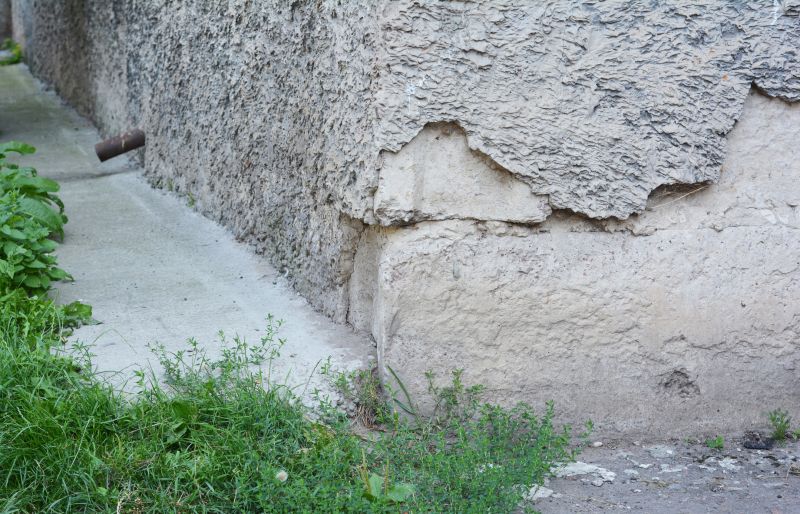
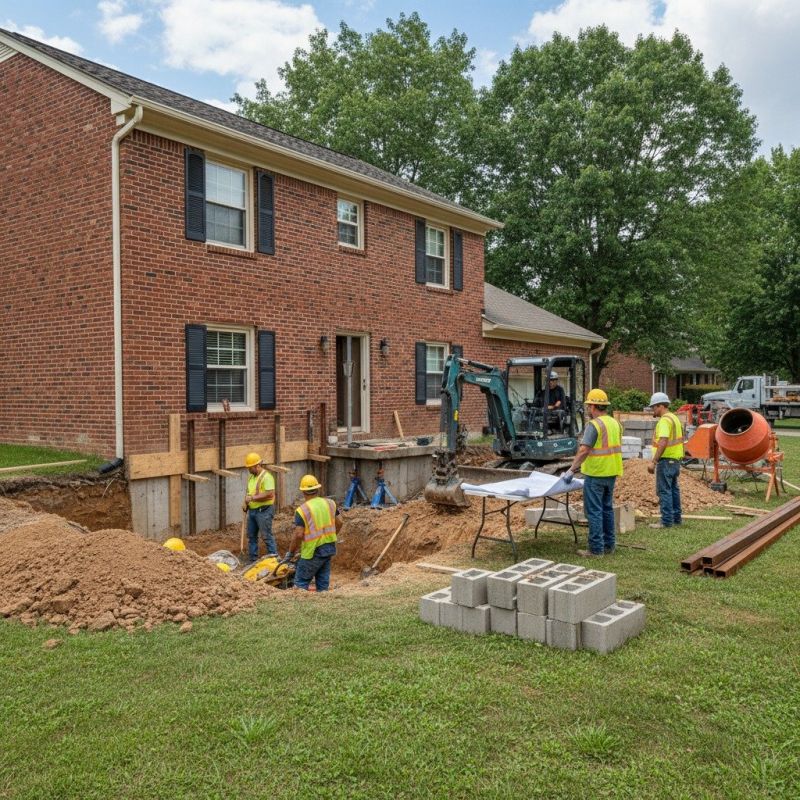
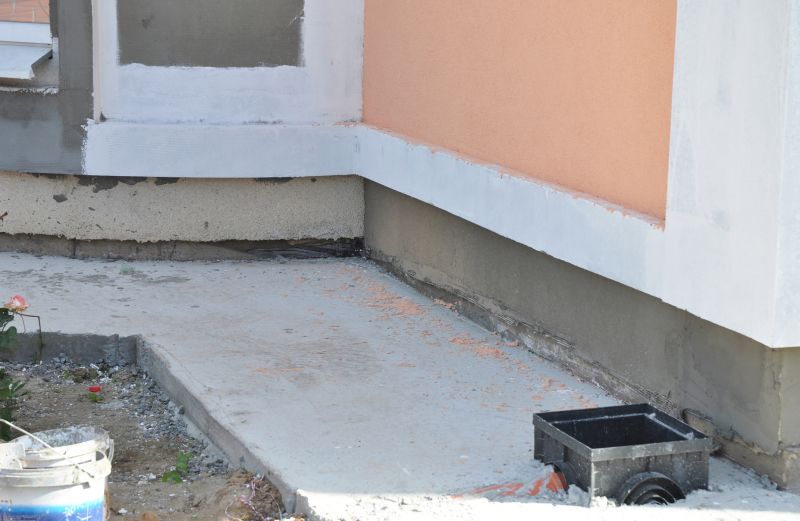
When people search for concrete foundation repair methods explained, they are often looking to understand the different approaches used to fix issues with a building’s foundation. This topic typically comes up when homeowners notice signs of foundation problems, such as cracks in walls, uneven floors, or doors that don’t close properly. They want to learn about the various techniques that can stabilize or restore their property’s structural integrity. Understanding these methods helps homeowners make informed decisions about repairs and ensures they select the right professionals for the job.
Foundation problems are usually related to shifting soil, water infiltration, or settling that causes the concrete to crack, shift, or sink. These issues can threaten the safety and stability of the property, making repairs urgent. Common plans include underpinning, slab jacking, pier and beam stabilization, or crack injection, each suited to different types of damage and property conditions. Homeowners with basements, crawl spaces, or slab foundations often find these repair methods applicable, depending on the severity and nature of the problem.
Properties that typically come up in foundation repair discussions include single-family homes, especially those built on expansive clay or loose soil, as well as multi-family buildings and commercial structures. Older homes are more prone to foundation issues due to aging materials and shifting ground. The type of property influences which repair methods are appropriate, as different foundation types-such as poured concrete slabs or pier and beam systems-require specific techniques to address their unique vulnerabilities.
Local service providers who specialize in concrete foundation repair bring expertise in assessing the extent of damage and recommending suitable repair methods. They can evaluate the property’s foundation type, soil conditions, and the severity of issues to determine the best approach. These professionals often employ a combination of techniques to ensure the foundation is stabilized and long-term durability is achieved. Connecting with experienced contractors allows homeowners to explore repair options that are effective and tailored to their specific property needs.
Basement waterproofing projects - these projects involve similar planning and the use of specialized tools to prevent water intrusion, which can also impact foundation stability.
Concrete slab leveling - this work requires understanding of soil conditions and the use of lifting and stabilization techniques comparable to foundation repair methods.
Retaining wall construction - building and repairing retaining walls involves geotechnical assessments and concrete work similar to foundation stabilization processes.
Structural reinforcement projects - reinforcing or underpinning structures demands knowledge of concrete and soil interactions akin to foundation repair methods.
Soil stabilization services - these projects focus on improving soil bearing capacity, which aligns with foundation repair strategies to prevent settling and cracking.
Pier and beam foundation work - repairing or replacing piers involves similar planning, excavation, and concrete work as foundation repair methods explained.
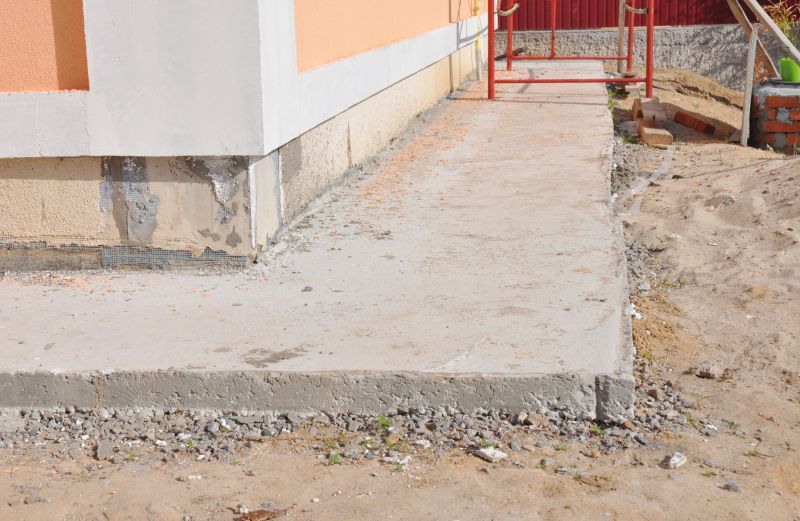
When comparing local contractors for concrete foundation repair, it is important to evaluate their experience with similar projects. Homeowners should inquire about the types of foundation issues they have addressed and seek service providers with a proven track record in handling repairs comparable to their needs. This background can help ensure that the contractor understands the specific challenges involved and can recommend appropriate repair methods, whether it involves underpinning, slab jacking, or crack repair. An experienced contractor is more likely to provide reliable solutions based on familiarity with various foundation conditions and repair techniques.
Clear, written expectations are essential when choosing a service provider for foundation repair. Homeowners should seek contractors who can articulate their approach to repairs, including the methods they plan to use and the scope of work involved. Having detailed documentation helps prevent misunderstandings and provides a reference point throughout the project. It also allows homeowners to compare proposals more effectively, ensuring that each contractor’s suggested repair methods are transparent and align with their specific foundation issues.
Reputable references and effective communication are key factors in selecting the right local contractor. Homeowners are encouraged to request references from past clients who had similar foundation repair needs, as this can provide insight into the quality of work and reliability of the service provider. Additionally, a contractor’s ability to communicate clearly and promptly can make the process smoother and more predictable. Good communication ensures that homeowners stay informed about the progress, understand the repair methods being used, and can ask questions or express concerns throughout the project.
Property owners often search for concrete foundation repair methods explained when they are planning practical projects around their homes and businesses. Local pros provide Concrete Foundation Repair services for everyday jobs and straightforward project options.
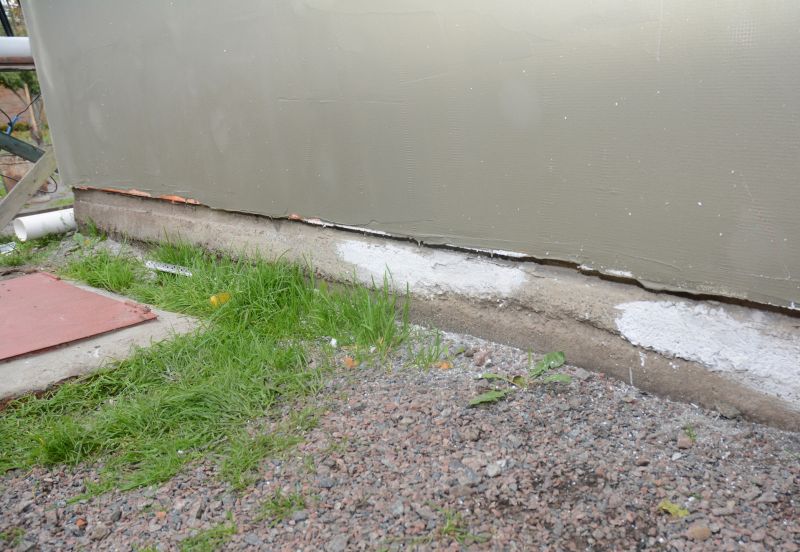
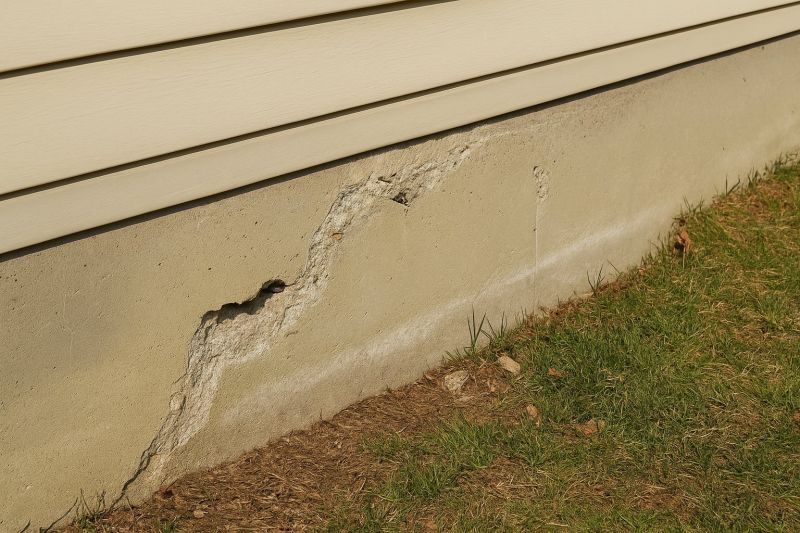
Homeowners in the area often look up concrete foundation repair methods explained when they notice signs of shifting or cracking in their property’s foundation. These issues can arise from soil movement, moisture changes, or settling over time, leading to concerns about structural stability. Property owners seeking solutions may turn to local contractors who specialize in foundation repair to assess the situation and recommend appropriate methods to stabilize or restore the foundation’s integrity.
Choosing to explore concrete foundation repair options is common for those wanting to protect their investment and ensure safety. Local service providers can offer a variety of repair techniques, such as underpinning, slab jacking, or piering, tailored to the specific needs of each property. Connecting with experienced local contractors can help property owners understand the most effective repair methods and ensure the work is performed properly to maintain the long-term stability of their homes.
What are common concrete foundation repair methods? Common methods include underpinning, slabjacking, wall stabilization, and crack injection, each suited to different types of foundation issues. Local contractors can assess the specific problem and recommend the most appropriate repair method.
How does underpinning work in foundation repair? Underpinning involves strengthening or stabilizing the existing foundation by extending it deeper into stable soil or adding support elements. Local service providers can perform underpinning to address settling or shifting foundations.
What is slabjacking and when is it used? Slabjacking lifts and stabilizes sunken concrete slabs by injecting a grout mixture beneath the slab. It’s often used for leveling uneven concrete surfaces around the foundation.
How do crack injection techniques repair foundation cracks? Crack injection involves filling cracks with specialized materials to restore structural integrity and prevent water intrusion. Local pros use this method to fix cracks caused by settlement or shifting.
Can foundation repair methods be combined? Yes, local contractors often combine multiple repair techniques to address complex foundation problems effectively, ensuring long-term stability and safety.
Foundation underpinning involves adding support beneath the existing concrete to stabilize a settling or cracked foundation, and local contractors can help implement this method in residential repair projects.
Mudjacking and slab leveling offers a practical solution for lifting sunken concrete slabs around a property, with local service providers able to perform this technique efficiently.
Pier and beam repair addresses issues with older or uneven foundations by installing piers to lift and stabilize the structure, which local pros can customize for specific property needs.
Crack injection techniques involve sealing and filling cracks in the foundation to prevent further damage, with local contractors able to apply these methods as part of comprehensive repair plans.
If you are thinking about concrete foundation repair methods explained for a property, this guide is meant to help you understand this topic, the typical project types, and how different options might fit your plans.
When you are ready, you can use the quote form on this page to share a few details about your project. From there, local pros can review the basics and follow up with options that match what you have in mind.